
Tableware Trends Shaping 2026
Based on Hospitality Forecasts, chef-led design thinking, and the trajectory we have observed since 2018, several clear tableware trends are emerging.
Quiet Luxury Over Statement Excess
After years of bold textures and highly expressive tableware, premium dining is moving toward restraint. Expect refined silhouettes, softened edges, and palettes that feel confident rather than performative.
Subtle glazing variations, matte finishes, and tone-on-tone colour will dominate, allowing the food and the concept to speak first.
Purpose-Created Pieces, Not Generic Ranges
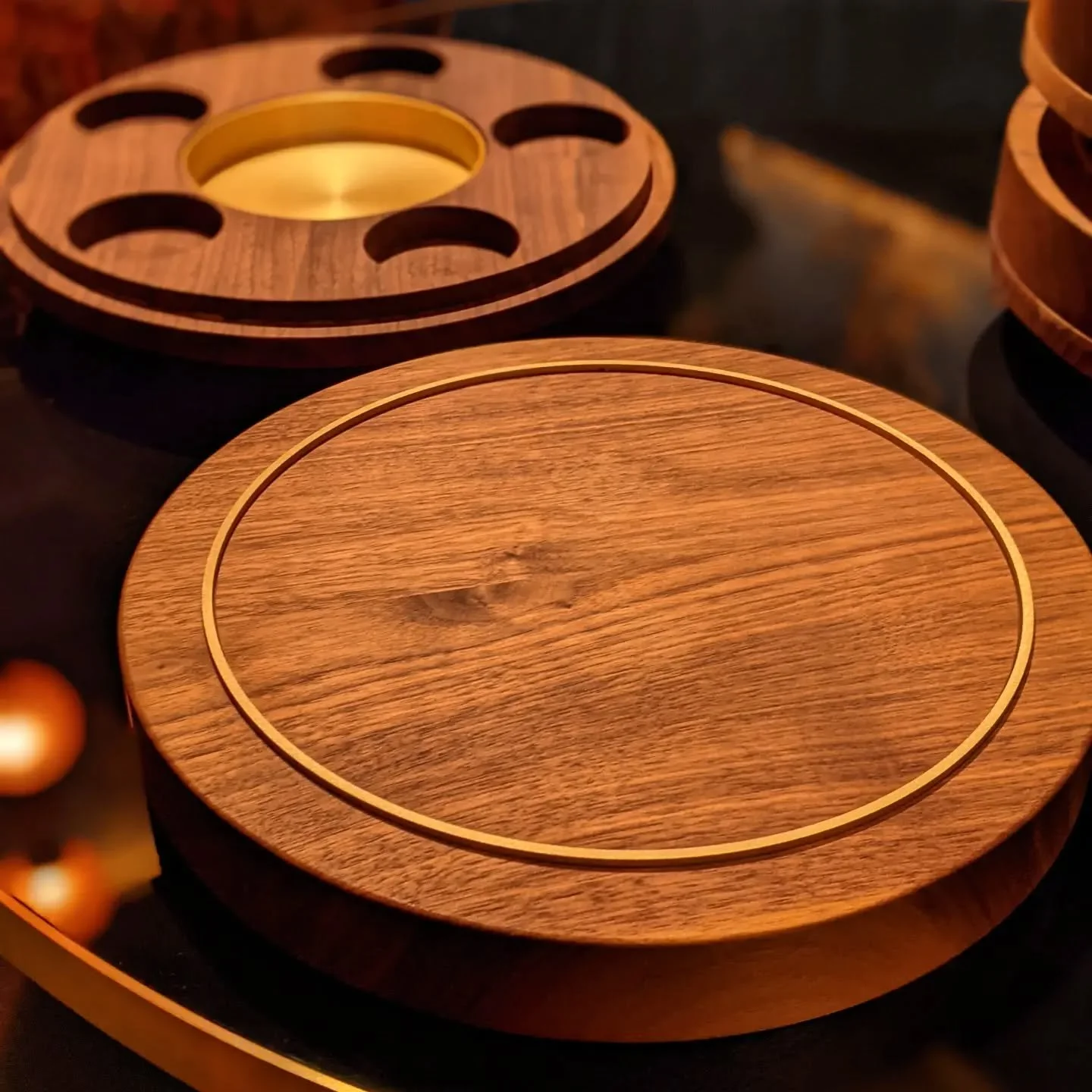
Restaurants are increasingly rejecting mass produced off-the-shelf solutions. The future is in bespoke or semi-custom tableware designed for specific menus, plating styles, and service flows.
Chefs and restauranteurs want tableware that frame dishes precisely, bowls that manage temperature and texture, and tableware that supports the pacing and rhythm in the dining room.
Sustainability as a Baseline
Sustainability is no longer a marketing layer; it is an expectation. In 2026, durable materials, longer product lifecycles, and responsible sourcing will be assumed at the luxury level.
Sustainability will be embedded without compromising on style, finish, or tactility.
Colour with Restraint and Confidence
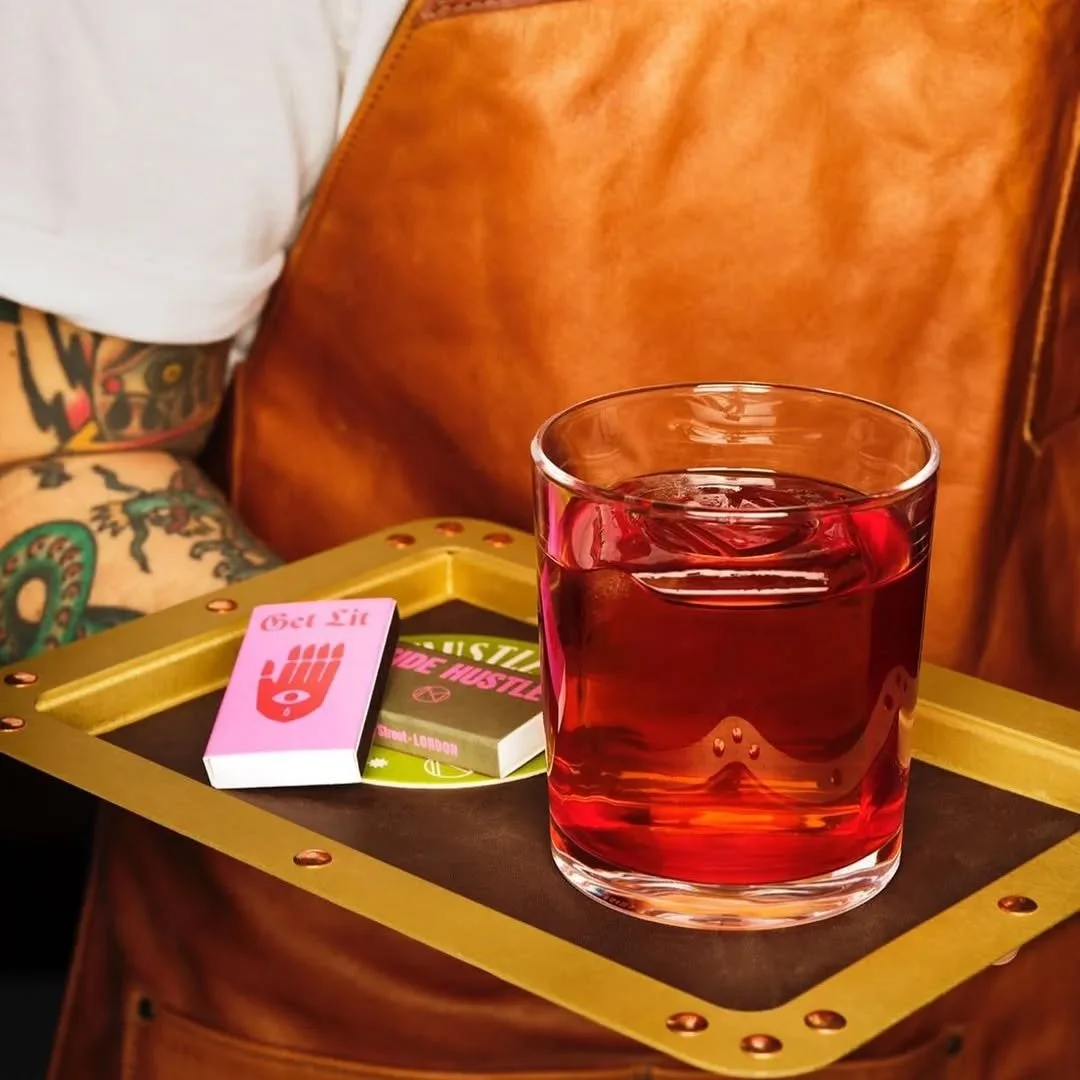
While neutrals remain foundational, controlled use of colour is returning, particularly warm earth tones, mineral blacks, and muted oxidised hues. These colours add depth and emotional warmth without overpowering the table.
Thoughtful colour placement will become a signature move for high-end concepts seeking distinction without distraction.
Tableware as Brand Language
In 2026, the most successful hospitality brands will treat plates, bowls, and service pieces as physical expressions of who they are, not a styling afterthought or social media prop. The curve of a bowl, the weight of a plate, the finish of a glaze all reinforce the same story the space, food, and service are telling.
When tableware is properly considered, it doesn’t shout for attention. It quietly aligns everything: it supports how dishes are composed, how guests interact with food, and how memory is formed at the table. That cohesion is what turns a meal into an experience and a venue into a brand people recognise without needing a logo.